Montego Bay
Jamaica
 Jamaica
Port
Local time


Mostly sunWeather


31° 24°High / Low (°C)


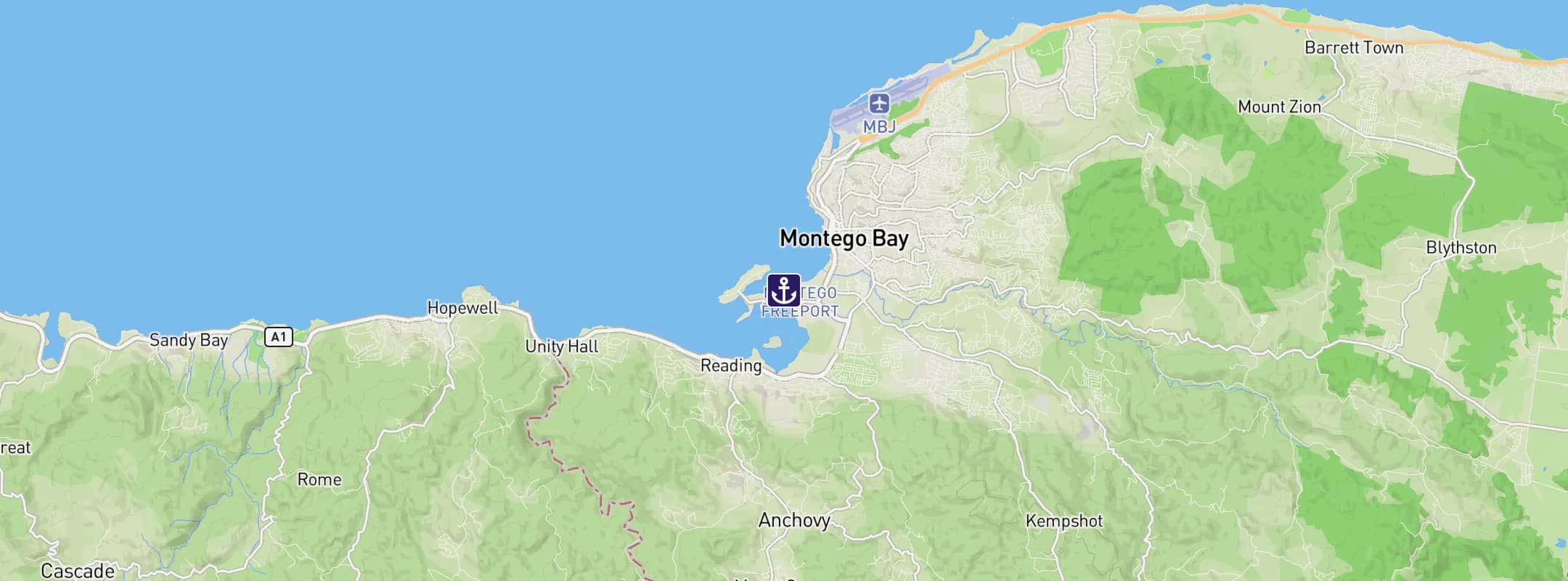
Live port activity
Updated 7 minutes ago
1 ship in port
| Ship | Cruise line | Status |
|---|---|---|
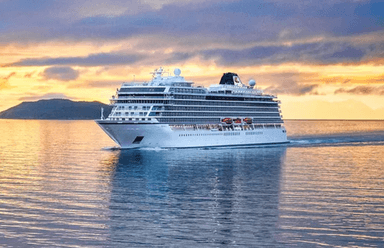
| Viking Mars | Viking Ocean (Viking Cruises) | In port |
Port schedule
Port schedule for October 2026
THURSDAY 1 OCTOBER 2026 - SATURDAY 3 OCTOBER 2026
THURSDAY 01 OCTOBER - SATURDAY 03 OCTOBER
No ships are scheduled on this date
TUESDAY 6 OCTOBER 2026
TUESDAY 06 OCTOBER
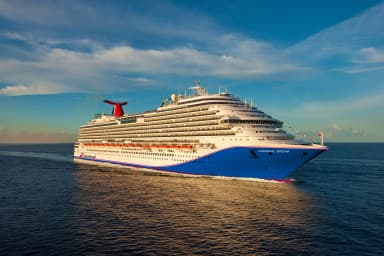
WEDNESDAY 7 OCTOBER 2026
WEDNESDAY 07 OCTOBER
THURSDAY 8 OCTOBER 2026 - THURSDAY 15 OCTOBER 2026
THURSDAY 08 OCTOBER - THURSDAY 15 OCTOBER
No ships are scheduled on this date
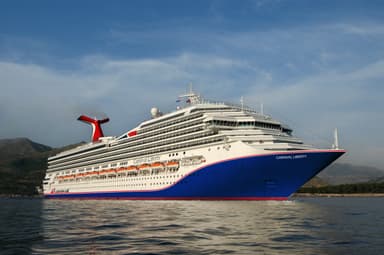
FRIDAY 16 OCTOBER 2026
FRIDAY 16 OCTOBER
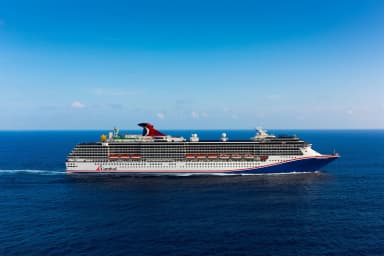
SATURDAY 17 OCTOBER 2026 - TUESDAY 20 OCTOBER 2026
SATURDAY 17 OCTOBER - TUESDAY 20 OCTOBER
No ships are scheduled on this date
WEDNESDAY 21 OCTOBER 2026
WEDNESDAY 21 OCTOBER
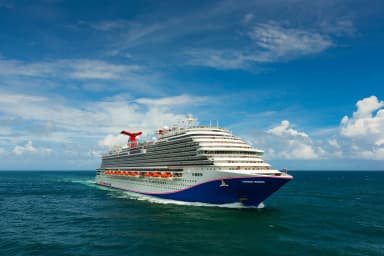
THURSDAY 22 OCTOBER 2026 - SATURDAY 31 OCTOBER 2026
THURSDAY 22 OCTOBER - SATURDAY 31 OCTOBER
No ships are scheduled on this date
Sailing to Montego Bay?
Track and plan your cruise, port by port.
Or download the app


Montego Bay information
LOCODE: JMMBJ
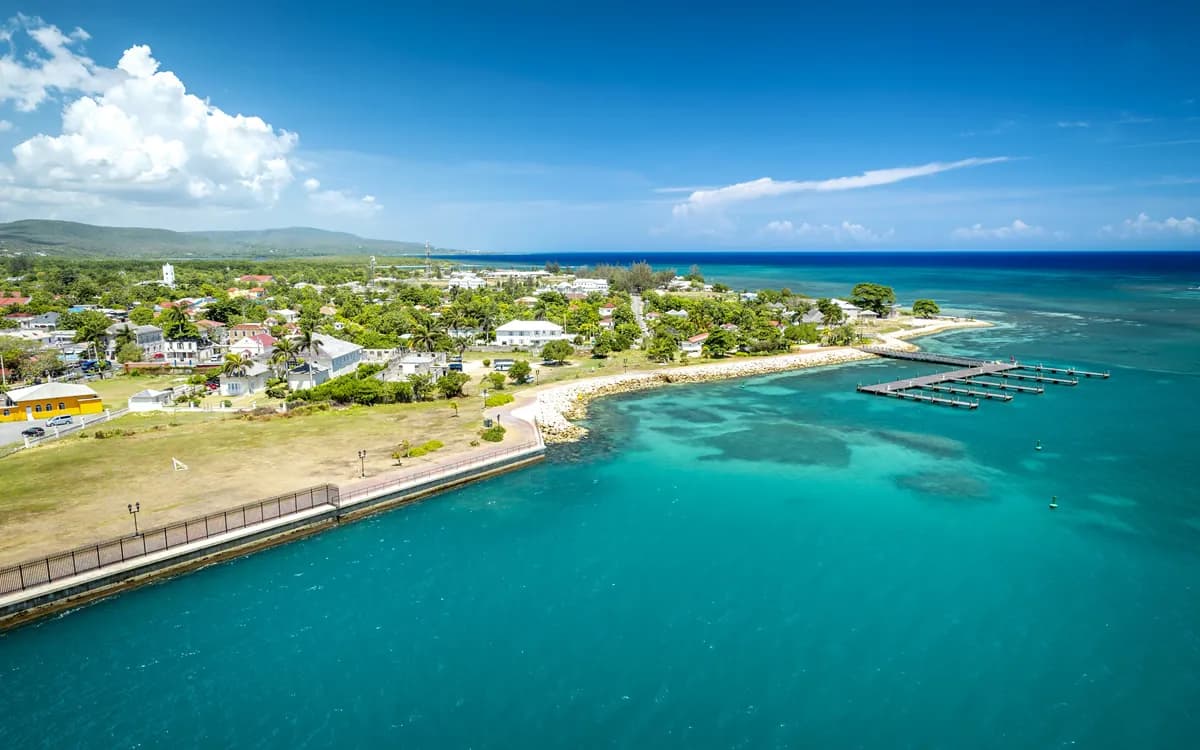
Montego Bay is the capital of the parish of St. James in Jamaica, located on the northwest coast of Jamaica roughly ninety minutes west of Kingston. The city is a popular tourist destination featuring duty-free shopping, a cruise line terminal and several beaches and resorts. Cruise ships typically come as ports of call, and the cruise port can accommodate up to four ships at one time.
The name Montego Bay is believed to have originated from the Spanish word manteca, meaning lard, allegedly because during the Spanish period it was the port where lard, leather and beef were exported. Jamaica was a colony of Spain from 1511 until 1655, when Oliver Cromwell's Caribbean expedition drove the Spanish from the island. After the British removed the Spanish rule, the colonials established the parish of St. James, which directly influenced the area in becoming a huge contributor of sugar cane. During this period of British governing, Montego Bay was the largest producer of sugar cane on the island. The island's last major slave revolt, the Christmas Rebellion, took place in and around the area of Montego Bay between 1831 and 1832. The rebellion set estates and plantations to flame and was the start of a broader political push toward emancipation. Many were hanged for their attempts at revolt; the leader of the revolt, Samuel Sharpe, was hanged in 1832. Recognition was later given, and Sharpe was proclaimed a national hero of Jamaica in 1975, and the main square of the town was renamed in his honor.
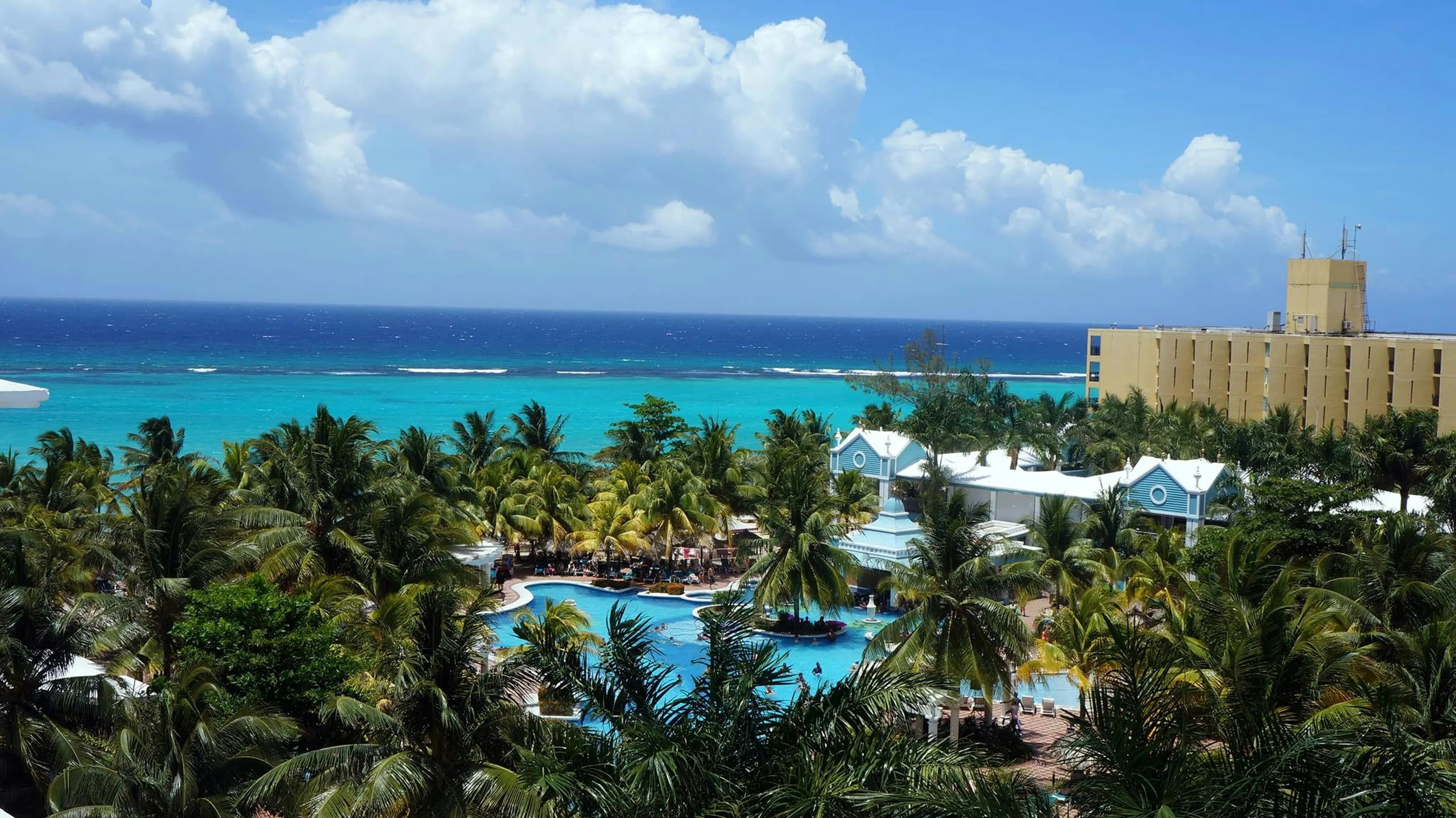
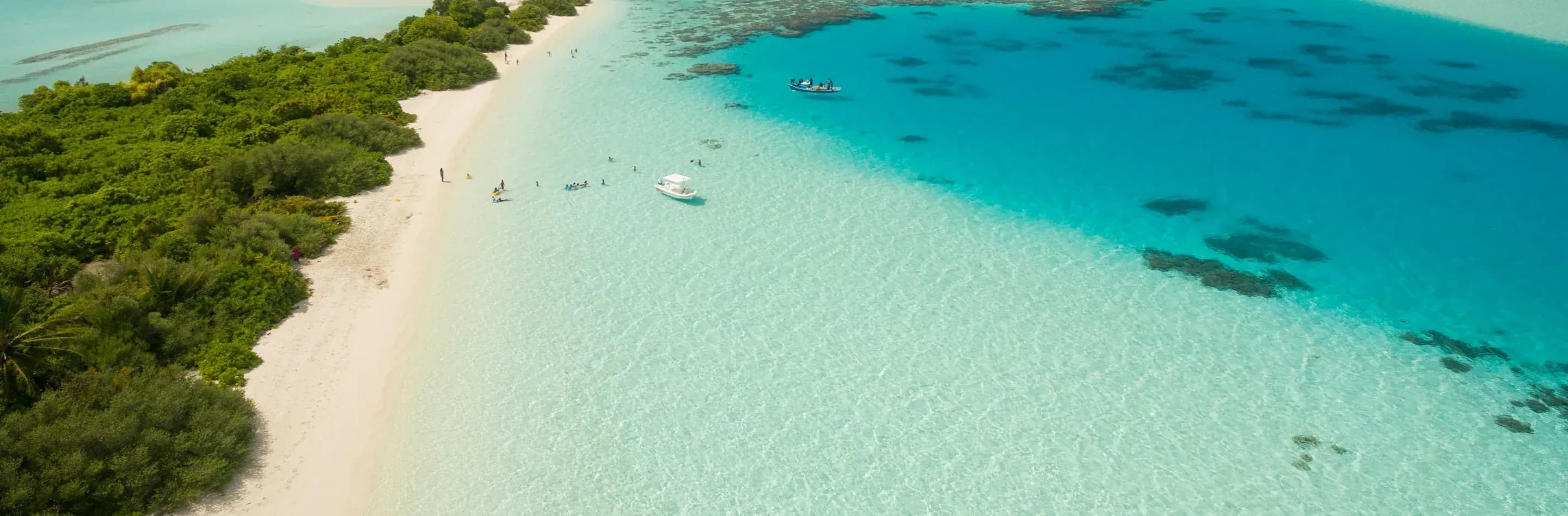
There are white sand beaches on the eastern side of the bay with outlying coral reefs to the north and south of the bay. Doctor's Cave Beach is one of the island's most picturesque shorelines and a great spot to go snorkeling. Many famous hotels are located in the parish of St. James, most in the Rose Hall area. Rose Hall Great House is the most famous in the parish. It was built on a hill two miles east of Ironshore in 1770 by John Palmer. The house attracts over 100,000 visitors per year, attracted by the legend of the White Witch of Rose Hall.
The city holds deep cultural roots and layers of history. British colonial influences are still evident in the city's colourful colonial architecture, including St. James Parish Church, and along the city's cobblestone streets, which bear the secrets of the island's slavery past at Sam Sharpe Square and the Cage, a prison for runaway slaves. The city centre is dominated by Gloucester Avenue, the main street or Hip Strip, replete with souvenir shops, bars and locals touting their wares. The 17th century Fort Montego has been transformed into the Old Fort Craft Market where you can find a wide range of souvenirs at more than 100 stalls.
Jamaica enjoys warm weather year-round, with temperatures generally staying between 25 and 30 degrees Celsius. Jamaica's cuisine includes fresh seafood dishes and the island's famous jerk chicken, dry-rubbed chicken slow cooked on an open grill.