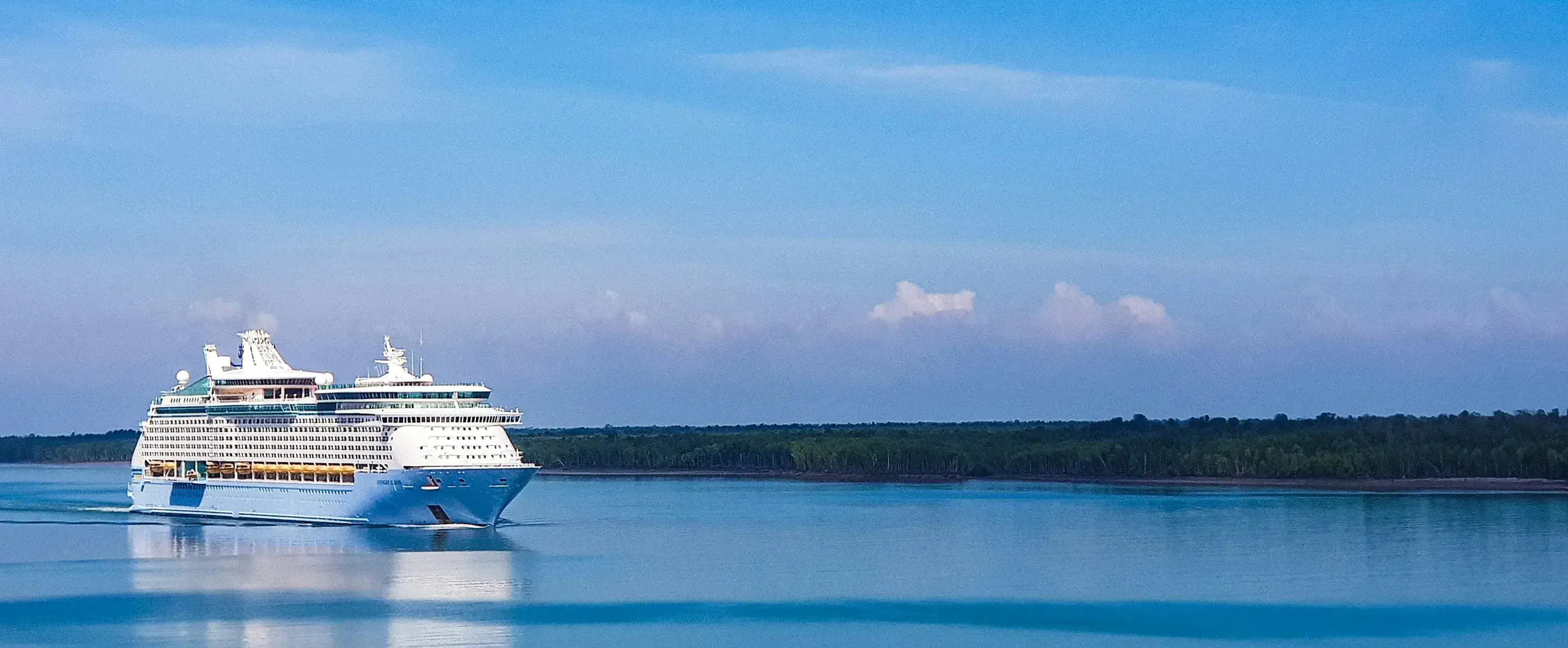
Rarotonga Island Cruise Port
Cook Islands
 Cook Islands
Port
Local time


Mostly sunWeather


22° 21°High / Low (°C)


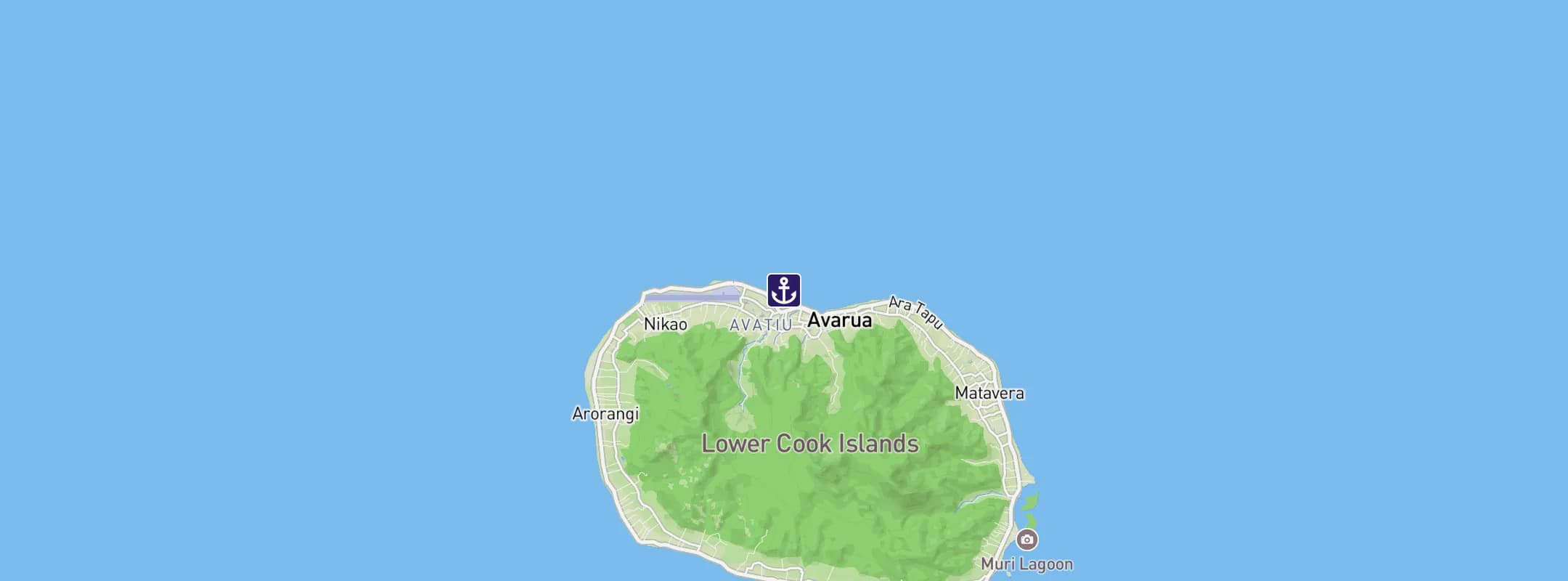
Cruise ships in Rarotonga Island right now
Updated 19 minutes ago
0 ships in port
| Ship | Cruise line | Status |
|---|---|---|
Rarotonga Island cruise port timetable: arrivals & departures
Rarotonga Island cruise schedule, October 2026
THURSDAY 1 OCTOBER 2026 - SATURDAY 3 OCTOBER 2026
No ships are scheduled on this date
SUNDAY 4 OCTOBER 2026
MONDAY 5 OCTOBER 2026
No ships are scheduled on this date
TUESDAY 6 OCTOBER 2026
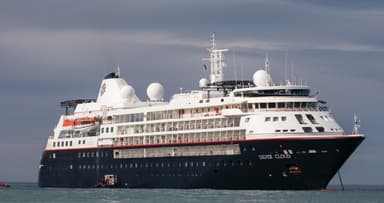
WEDNESDAY 7 OCTOBER 2026 - SUNDAY 18 OCTOBER 2026
No ships are scheduled on this date
MONDAY 19 OCTOBER 2026
TUESDAY 20 OCTOBER 2026 - WEDNESDAY 21 OCTOBER 2026
No ships are scheduled on this date
THURSDAY 22 OCTOBER 2026
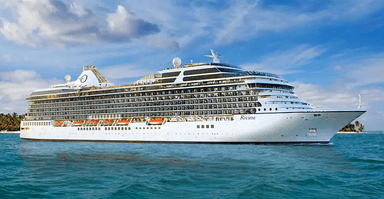
FRIDAY 23 OCTOBER 2026 - THURSDAY 29 OCTOBER 2026
No ships are scheduled on this date
FRIDAY 30 OCTOBER 2026

SATURDAY 31 OCTOBER 2026
No ships are scheduled on this date
Sailing to Rarotonga Island?
Track and plan your cruise, port by port.
Or download the app


About Rarotonga Island cruise port
Rarotonga is the largest and most populous island in the Cook Islands, a South Pacific nation in free association with New Zealand. Avarua, on the north coast, is the national capital and home to the country's international airport. Rarotonga is visited as a port of call by cruise ships, although larger vessels must anchor offshore because only ships up to 120 metres long can berth in the harbour.
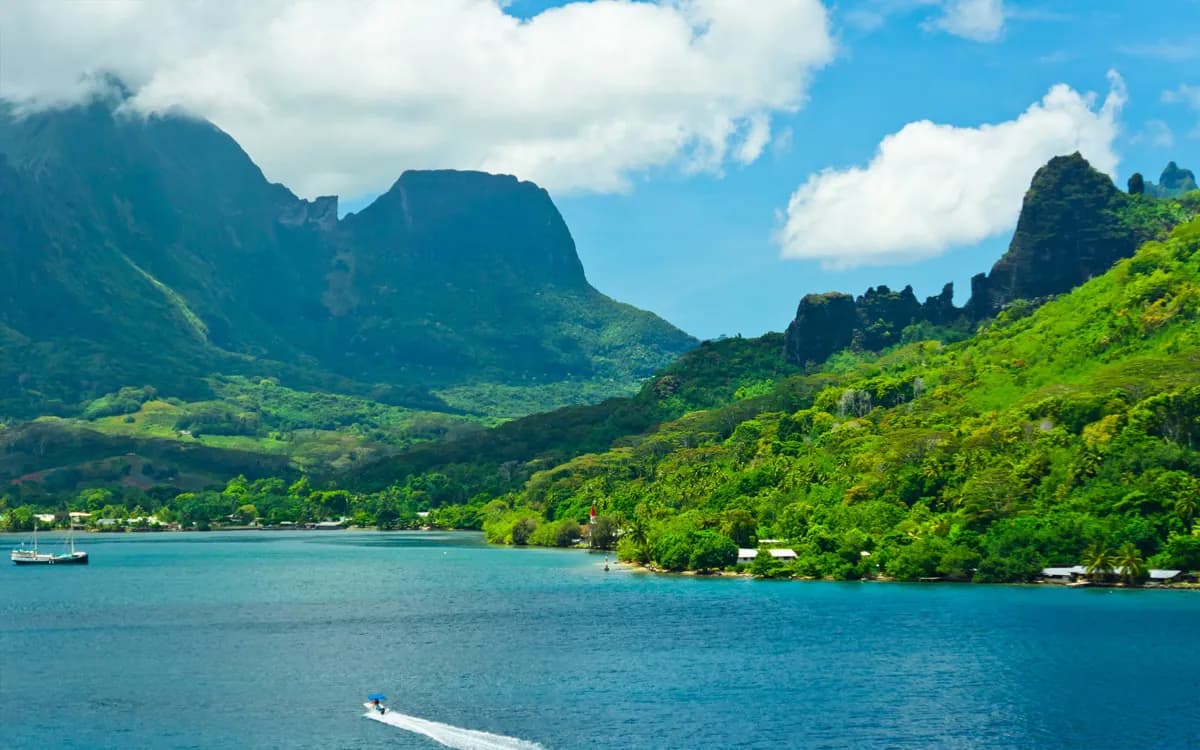
The island is volcanic and covers around 67 square kilometres, with about 10,900 people living here. Much of the island's character comes from its compact scale and relaxed pace. A single main road follows the 32 kilometre coastline and, notably, has no traffic lights. Inland, the landscape rises sharply towards the mountainous centre, where the granite pinnacle known as the Needle stands among steep, razor backed ridges.
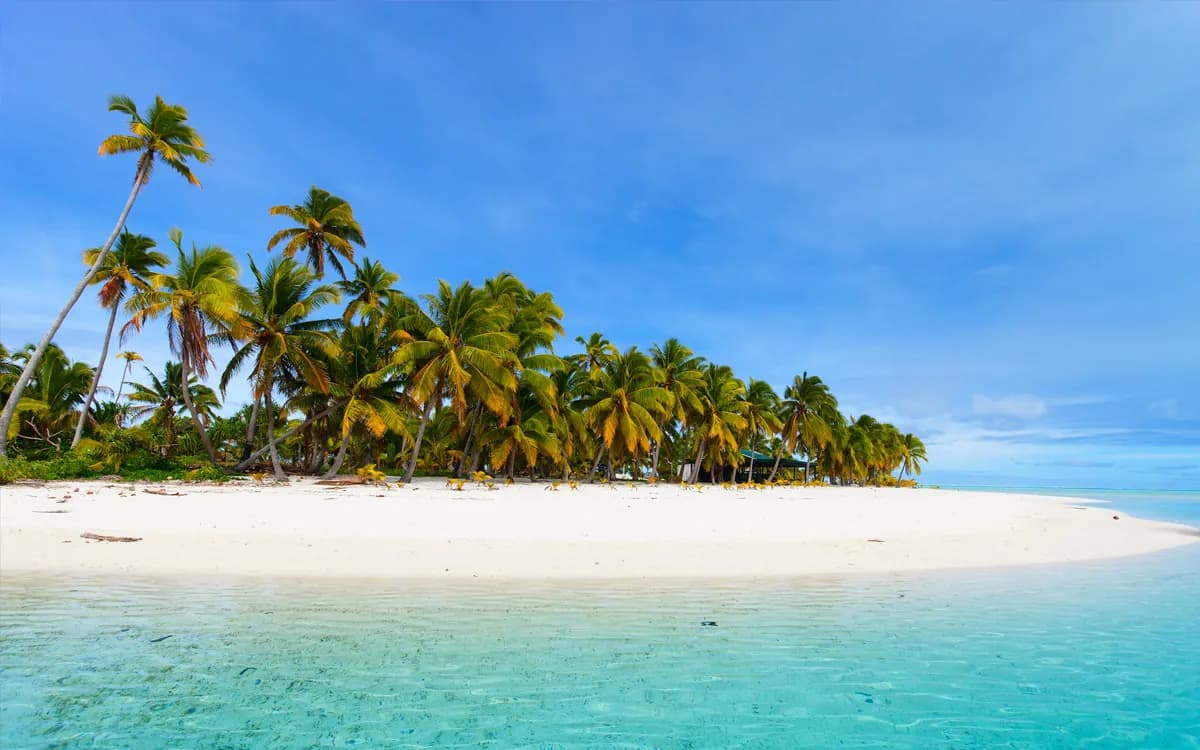
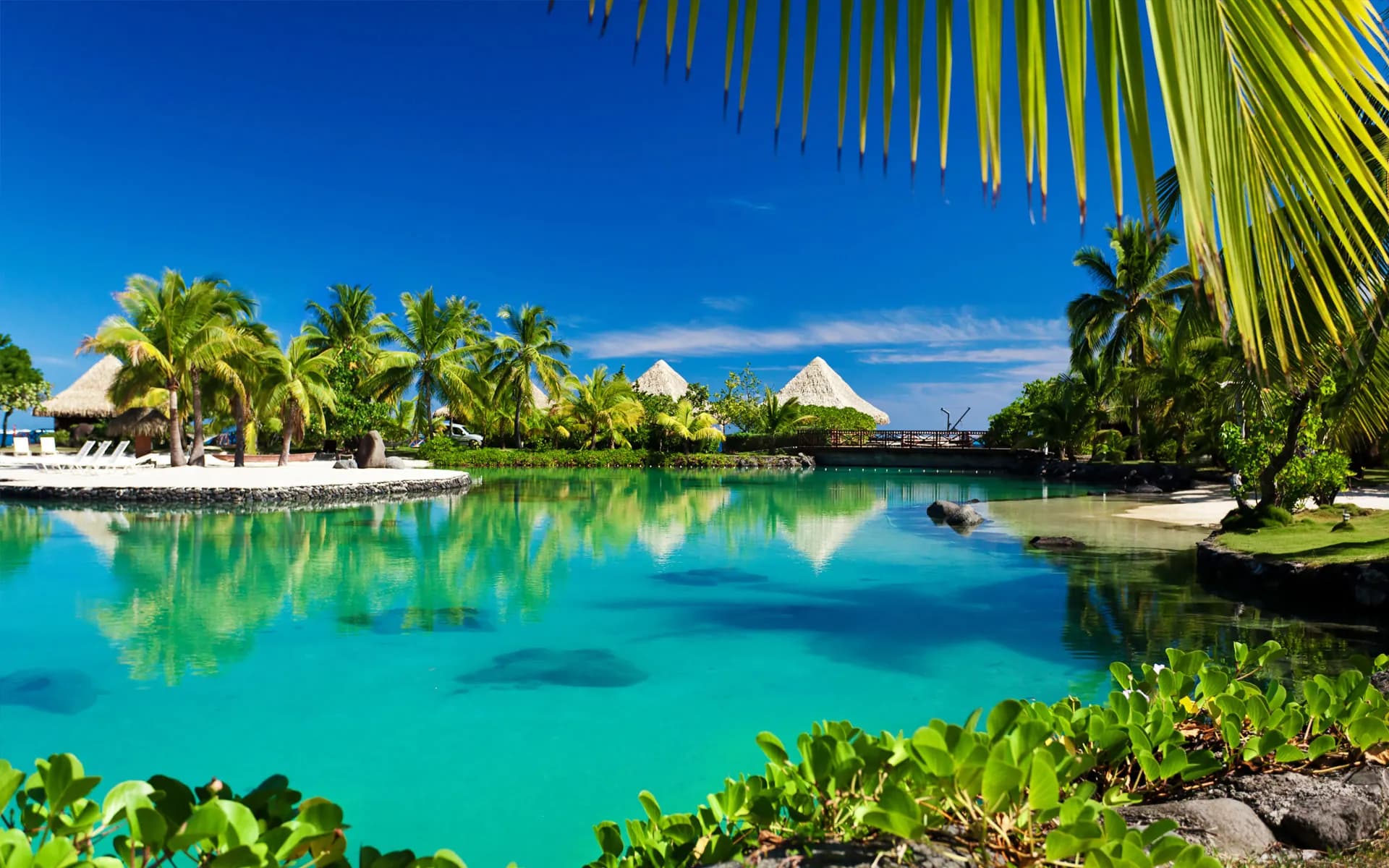
Muri Lagoon is one of Rarotonga's best known sights, with clear blue water and a collection of small offshore islets. The lagoon is well suited to snorkelling, while the island's interior provides opportunities for walking and hiking. The contrast between the beaches, lagoon and mountainous interior means there are several ways to spend time ashore beyond the main town.
Rarotonga also has a strong Polynesian cultural identity. Cook Islander music, drumming and dancing remain important parts of local life, and visitors can encounter traditional performances alongside local food and other aspects of Polynesian culture. The island's cuisine provides another way to get a sense of local traditions, with fresh ingredients and regional influences.
Nature conservation is another part of the island's story. A protected area in the southeast provides habitat for native plants and birds, including the kakerori, a vulnerable flycatcher found only in the Cook Islands.
Rarotonga has deep Polynesian roots, while its recorded European history includes the arrival of Captain John Dibbs aboard the colonial brig Endeavour on 25 July 1823 while transporting a missionary. The island's small scale makes it possible to combine several of these elements during a day ashore, while the mountainous interior provides a striking backdrop to the coastal scenery.