Barca d'Alva Cruise Port
Portugal
 Portugal
Port
Local time


CloudWeather


22° 4°High / Low (°C)


Cruise ships in Barca d'Alva right now
Updated 18 minutes ago
0 ships in port
| Ship | Cruise line | Status |
|---|---|---|
Barca d'Alva cruise port timetable: arrivals & departures
Barca d'Alva cruise schedule, October 2026
THURSDAY 1 OCTOBER 2026 - SATURDAY 3 OCTOBER 2026
No ships are scheduled on this date
Sailing to Barca d'Alva?
Track and plan your cruise, port by port.
Or download the app


About Barca d'Alva cruise port
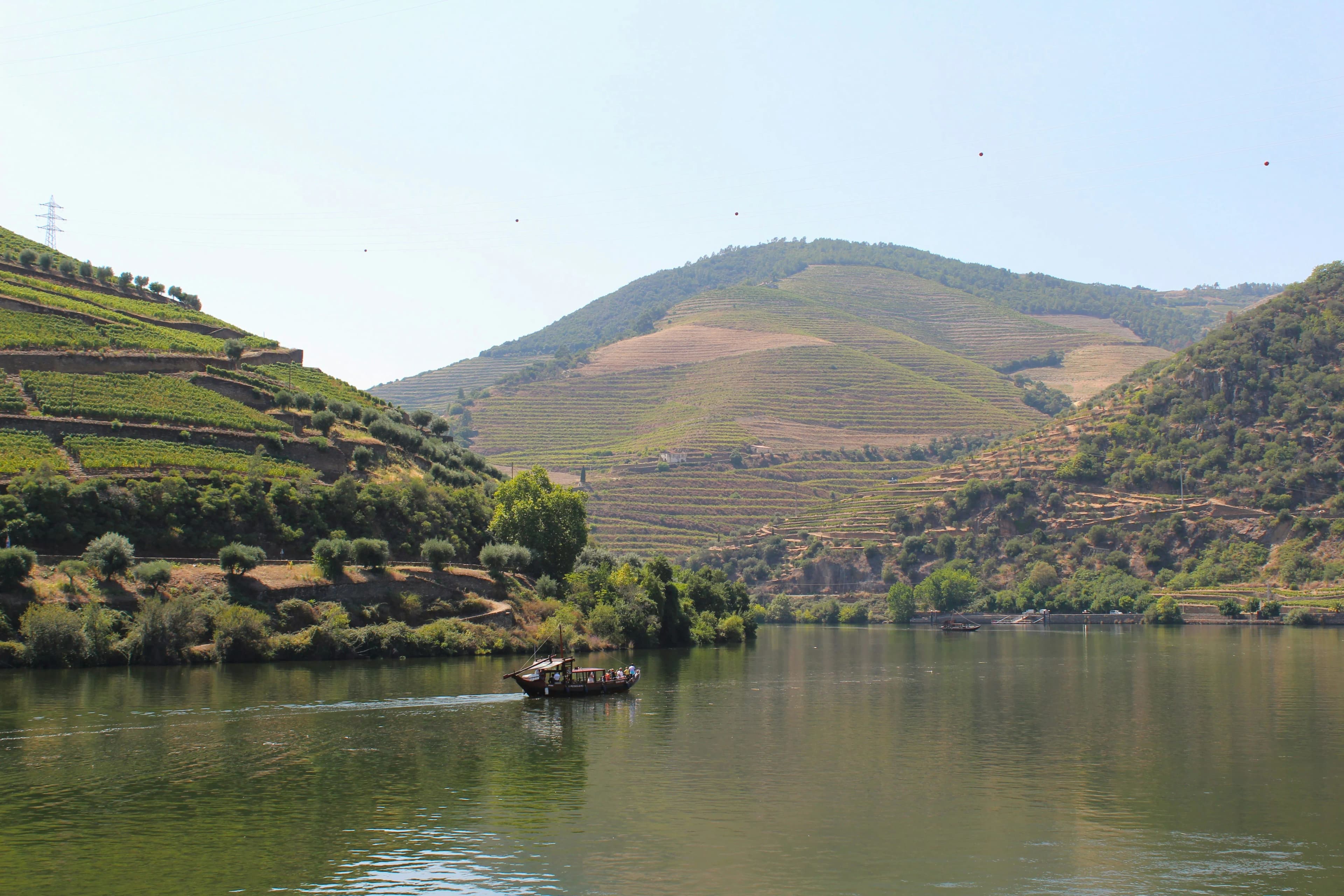
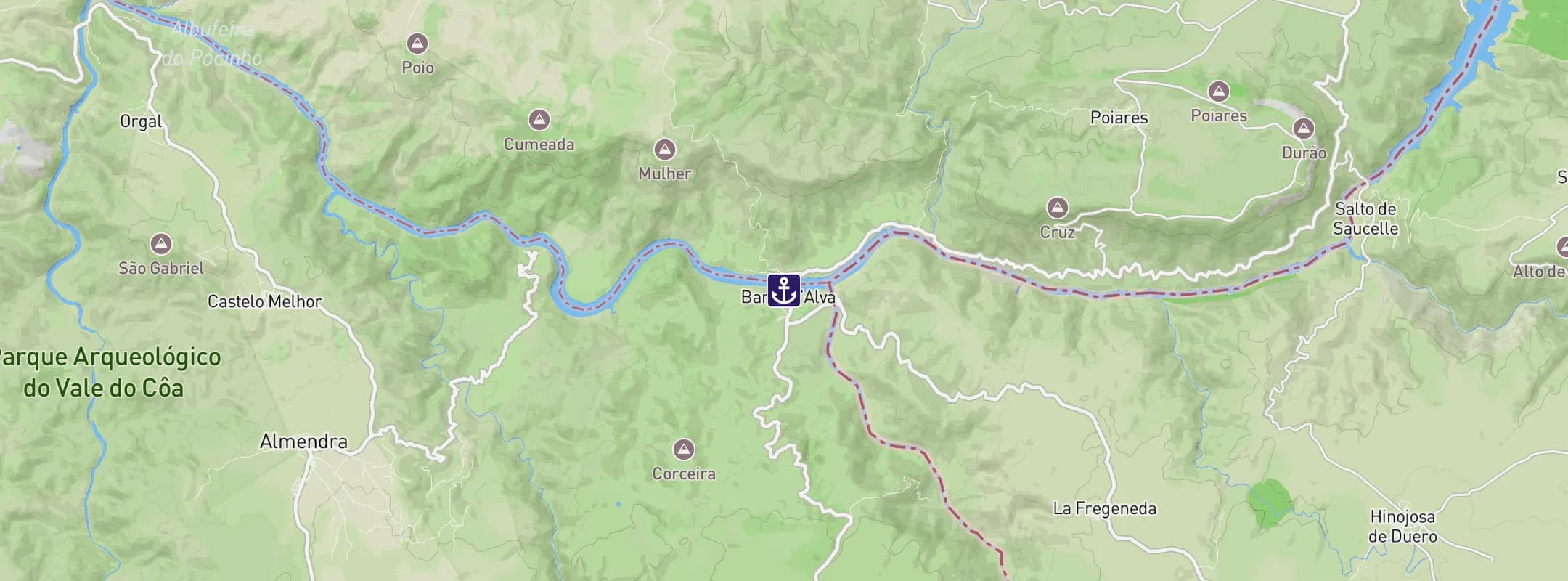
Barca d'Alva is the last Portuguese village on the Douro River before the Spanish border, about 2 kilometres from the frontier. Surrounded by mountains and set on a gentle bend of the river, it is a port of call for Douro river cruises. The village itself is small, with a quiet waterfront and a slower pace than the larger towns visited earlier along the river.
Barca d'Alva has an interesting railway heritage. A railway connection between Porto and the village opened in 1902, helping link the Douro Valley with communities further inland. The final train arrived in 1988 before this section of the line closed. Today, the abandoned railway is a reminder of the village's former importance as a transport link. River cruise ships use a quay with large pontoons, while a handful of cafés cater to visitors arriving by river.
Most cruise passengers use Barca d'Alva as a base for exploring the surrounding area rather than spending their entire visit in the village. Excursions commonly head to Figueira de Castelo Rodrigo, where narrow streets and historic houses give a glimpse of the region's past. The Igreja Matriz de Reigada, a 13th-century church, is another local attraction.
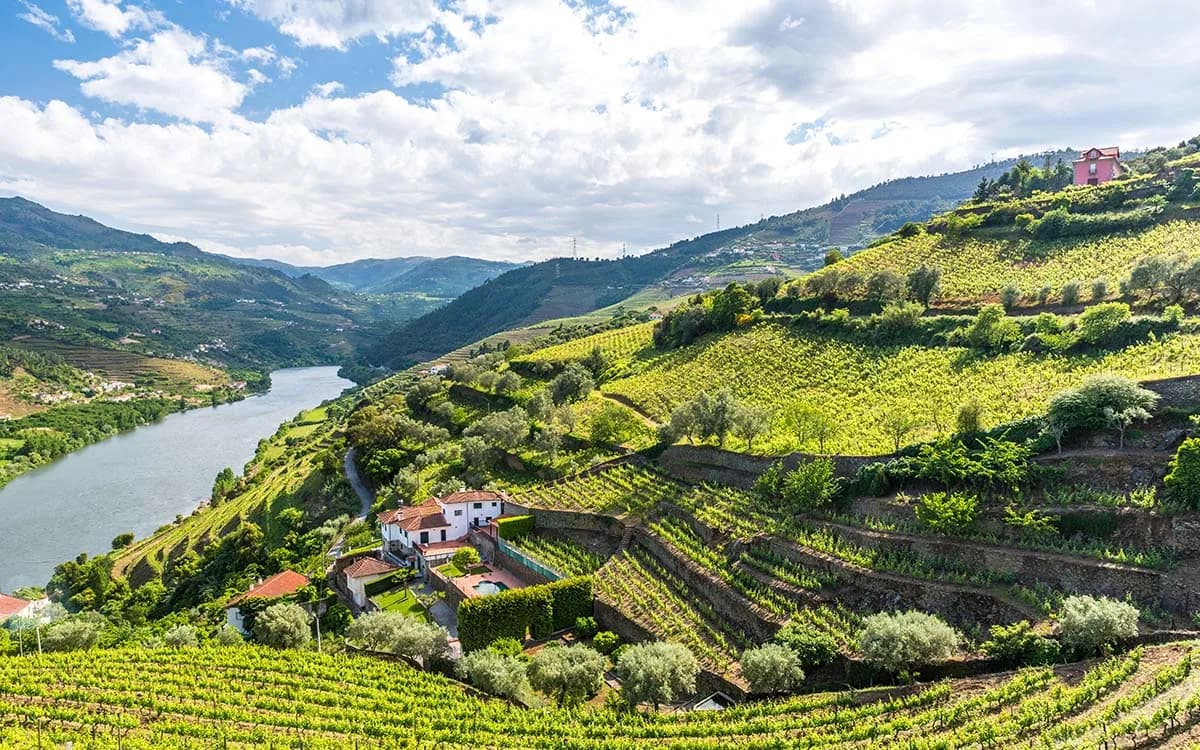
The village lies within the Douro International Natural Park, surrounded by steep hills and agricultural land. Olive trees, almond groves and vineyards cover the slopes, with the area's produce including olive oil, almonds, Douro wines and Port. The journey around the valley is part of the appeal, as roads wind through terraces shaped over generations of vineyard cultivation.
For river cruisers, Barca d'Alva has a distinct sense of place. The combination of the quiet village, abandoned railway and dramatic terraced landscape makes it feel far removed from Portugal's cities. Its position near the Spanish border also gives it a natural sense of being at the far eastern end of a Douro cruise, where the scenery becomes increasingly rural and mountainous.