Espanola Island Cruise Port
Ecuador
 Ecuador
Port
Local time


Sun & cloudWeather


30° 26°High / Low (°C)



Cruise ships in Espanola Island right now
Updated 18 minutes ago
0 ships in port
| Ship | Cruise line | Status |
|---|---|---|
Espanola Island cruise port timetable: arrivals & departures
Espanola Island cruise schedule, October 2026
THURSDAY 1 OCTOBER 2026
FRIDAY 2 OCTOBER 2026 - SATURDAY 3 OCTOBER 2026
No ships are scheduled on this date
MONDAY 5 OCTOBER 2026

TUESDAY 6 OCTOBER 2026 - MONDAY 12 OCTOBER 2026
No ships are scheduled on this date
TUESDAY 13 OCTOBER 2026

WEDNESDAY 14 OCTOBER 2026
No ships are scheduled on this date
THURSDAY 15 OCTOBER 2026
FRIDAY 16 OCTOBER 2026 - SUNDAY 18 OCTOBER 2026
No ships are scheduled on this date
MONDAY 19 OCTOBER 2026
TUESDAY 20 OCTOBER 2026 - MONDAY 26 OCTOBER 2026
No ships are scheduled on this date
TUESDAY 27 OCTOBER 2026
WEDNESDAY 28 OCTOBER 2026
No ships are scheduled on this date
THURSDAY 29 OCTOBER 2026
FRIDAY 30 OCTOBER 2026 - SATURDAY 31 OCTOBER 2026
No ships are scheduled on this date
Sailing to Espanola Island?
Track and plan your cruise, port by port.
Or download the app


About Espanola Island cruise port
Española Island is the most southerly of the Galápagos Islands in Ecuador, about a 10 to 12-hour trip by boat from Santa Cruz. Named for Hispaniola in the Caribbean owing to its discovery by Christopher Columbus on his first voyage, the name was changed in 1892 during the celebration of the quadricentennial of Columbus's voyage. Located at the extreme southeast of the archipelago, it is considered one of the oldest of the islands, having first formed approximately four million years ago.
This is a remarkable destination for wildlife watching, and the island's reputation rests on a handful of unforgettable species. Española Island is the only place the waved albatross breeds and nests. Each year from April to December, Punta Suarez hosts more than 25,000 waved albatrosses, making it one of the most popular sites for visitors to the Galapagos. Like its feathered brethren the blue-footed booby, the waved albatross engages in an unusual courtship dance involving a sequence of bows, honks, and beak clacking, with the females laying only one egg and parenting duties shared with the males.
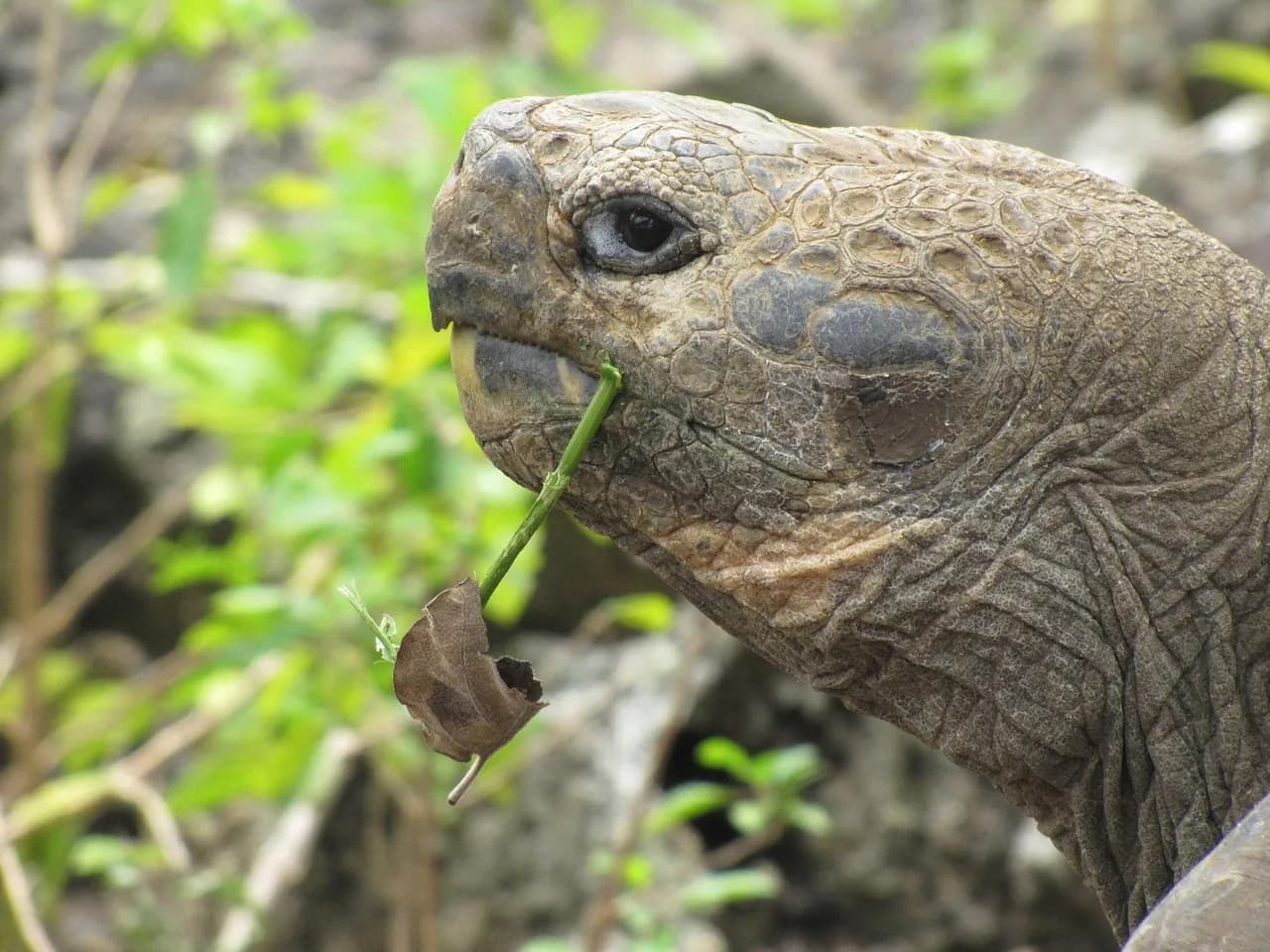
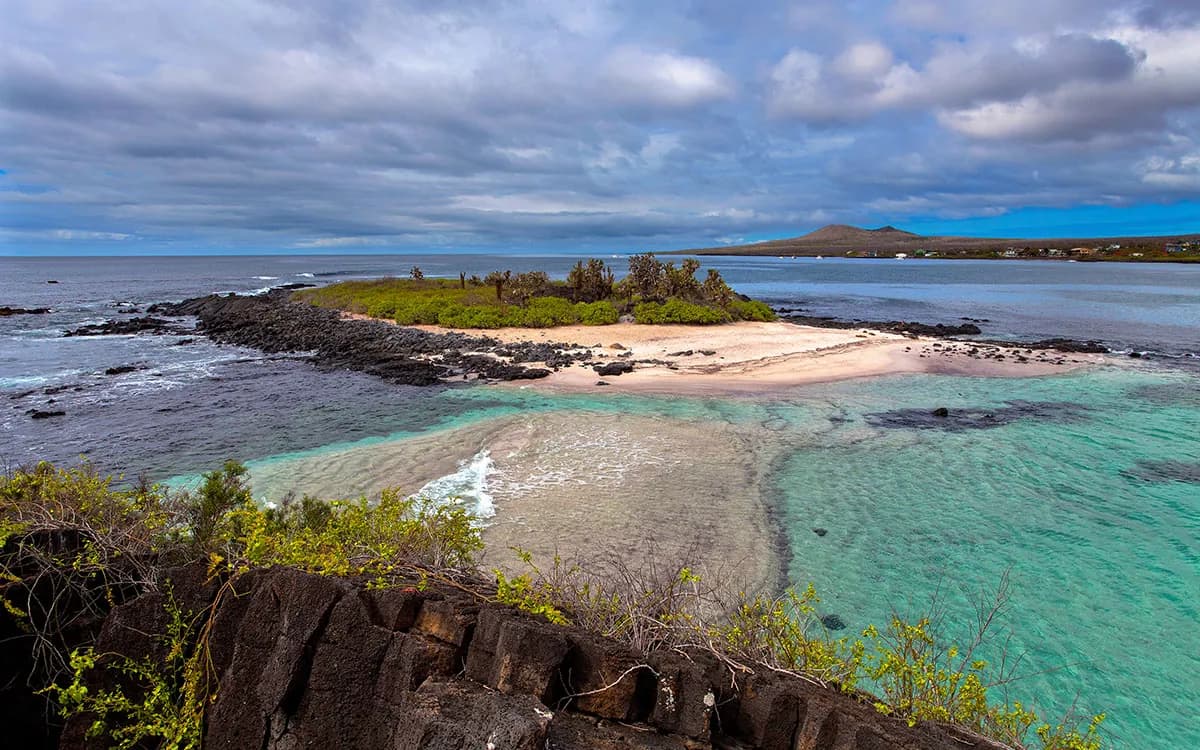
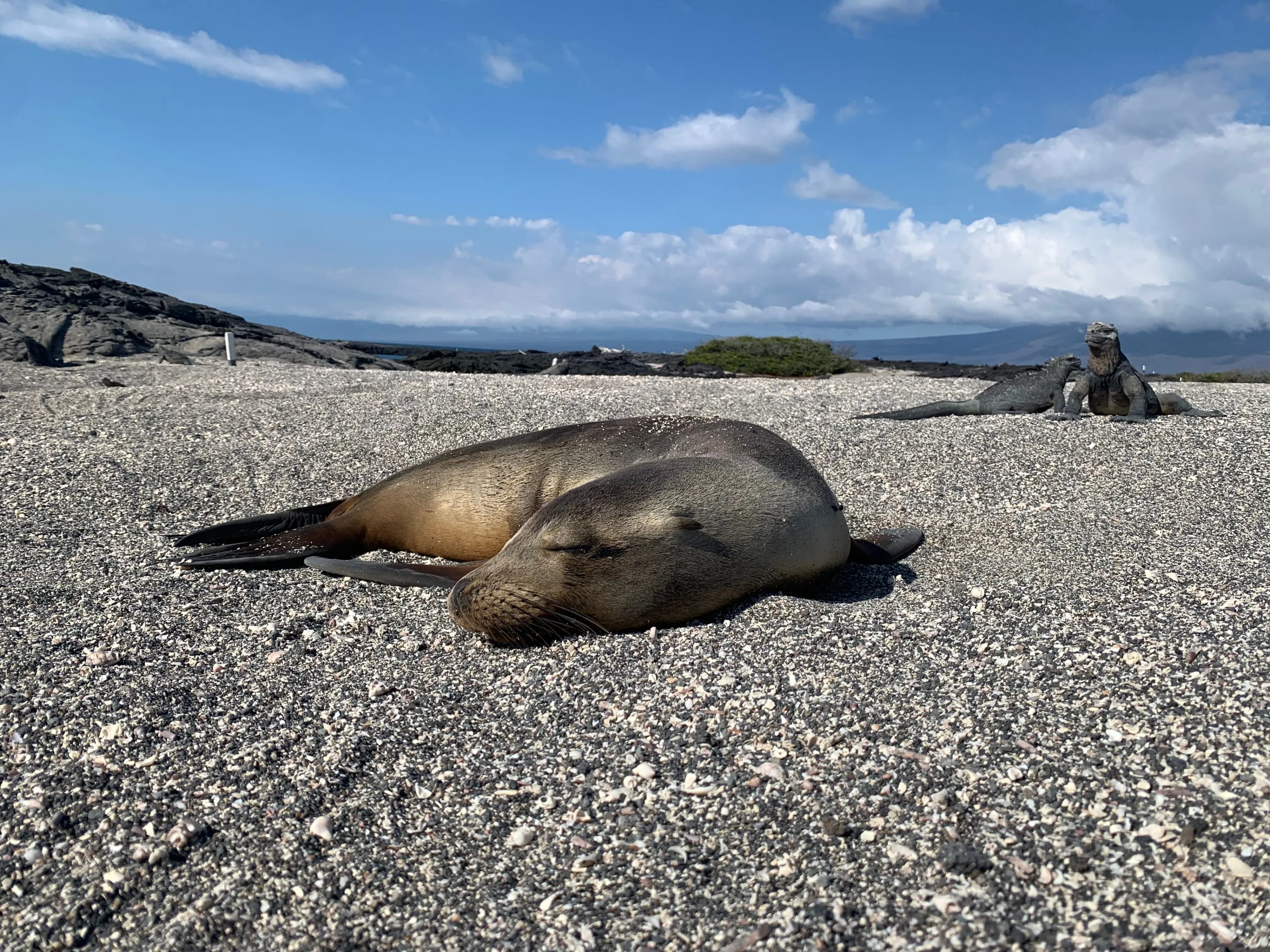
Two spots are especially popular: Gardner Bay with its beach and Suarez Point because of its varied bird-life. The beach at Gardner Bay, with its sparkling white sand, offers one of the best places to relax and swim in the Galapagos and is home to one of the most important colonies of sea lions in the archipelago, as well as a nesting site for sea turtles. Española is home to several species that can't be found outside of the Galapagos, including the Española mockingbird and the Española lava lizard. Visitors can expect to see sea lions, Galapagos Hawks, marine iguanas, and both blue-footed and Nazca boobies.
The climate is generally dry, receiving only a few inches of rain per year. A trail at Punta Suarez leads to cliffs overlooking the Pacific and a photo-worthy blowhole that sprays water nearly 100 feet into the sky at high tide. Most cruisers approach Española as part of a multi-island voyage within the Galapagos, and you can review your ship's exact route through The Cruise Globe.